Buy cryptosell.eu ?
We are moving the project
cryptosell.eu .
Are you interested in purchasing the domain
cryptosell.eu ?
domain@kv-gmbh.de · 0541-91531010
Buy cryptosell.eu ?
What is a connecting rod bearing 2?
A connecting rod bearing 2 is a component of an engine that helps to reduce friction between the connecting rod and the crankshaft. It is typically made of a durable material such as steel or aluminum and is designed to withstand high levels of stress and heat. The connecting rod bearing 2 plays a crucial role in ensuring smooth operation of the engine by allowing the connecting rod to move freely and smoothly as the engine runs. **
What is the connecting rod or the conrod?
The connecting rod, also known as the conrod, is a component in an internal combustion engine that connects the piston to the crankshaft. It plays a crucial role in converting the reciprocating motion of the piston into rotational motion of the crankshaft. The connecting rod is subjected to high forces and must be strong and durable to withstand the stresses of engine operation. It is typically made of steel or aluminum alloy and is a critical component in the engine's power transmission system. **
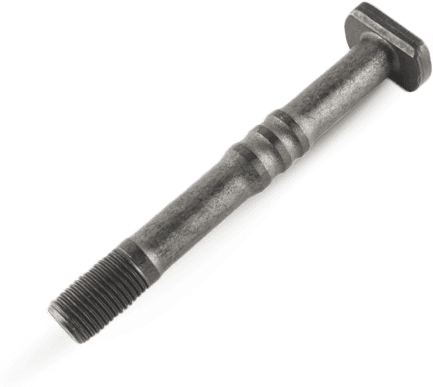

Similar search terms for Connecting rod
Top-Angebote
Products related to Connecting rod:
-
GLYCO 55-3280 SEMI Small End Bushes, connecting rodWidth [mm]: 25,0; Component Number: 55-3280; Processing: Semi; TecDoc Engine Number: 10048, 10287, 10288, 10289, 10290, 20957, 20958, 20959, 21393, 21394, 21395, 27826, 27827, 27828, 27829, 27872, 27873, 27874, 27879, 27880, 27881, 27882, 27883, 27884, 27891, 27892, 27893, 27894, 27898, 27899, 27900, 27901, 27902, 27903, 27904, 27905, 27906, 27910, 27912, 27913, 28033, 28034, 29179, 2944, 2945, 2946, 2947, 5403, 5404, 5407, 5408, 5409, 5410, 5411, 5412, 5413, 5414, 5416, 5418, 5419, 5420, 5421, 5422; Construction Year to: 08/19676,29 £*Shipping: 8,45 £Secure redirect to the provider
-
GLYCO 55-3625 SEMI Small End Bushes, connecting rodWidth [mm]: 21,9; Component Number: 55-3625; Processing: Semi; TecDoc Engine Number: 2206, 2211, 2216, 2207, 2212, 2229, 2217, 2218, 2219, 2230, 2221, 2223, 2226, 2210, 2215, 2054, 2220, 2225, 2208, 2227, 2228, 8942, 22700, 5400, 8032, 4676, 4678, 4680, 4679, 5398, 4674, 4675, 5238, 4677, 9425, 2213, 9416, 3612, 9892, 2214, 9424, 12910, 9422, 22920, 21112, 22917, 22914, 22909, 22985, 26681, 3613, 19846, 8041, 5682, 6020, 2209, 2222, 17818, 8014, 14670, 14672, 8013, 16185, 17819, 17822; Construction Year to: 06/1995; Construction Year from: 09/1996, 03/1997, 12/19966,99 £*Shipping: 8,45 £Secure redirect to the provider
-
GLYCO 55-3898 SEMI Small End Bushes, connecting rodWidth [mm]: 21,9; Component Number: 55-3898, G-149; Processing: Semi; TecDoc Engine Number: 17543, 15455, 9529, 17005, 20334, 14350, 15454, 17009, 15461, 15449, 15451, 17730, 17729, 17731, 21142, 21145, 17007, 17008, 17323, 18129, 17187, 17544, 17328, 17542, 18289, 24573, 20921, 22844, 22140, 20730, 23620, 23618, 26257, 20362, 20984, 20360, 22694, 28091, 32464, 34997, 16895, 25649; Engine Code: OM 611.9625,99 £*Shipping: 8,45 £Secure redirect to the provider
-
GLYCO 55-4444 SEMI Small End Bushes, connecting rodWidth [mm]: 32,0; Component Number: 66494Y; Processing: Semi; TecDoc Engine Number: 1113, 17094, 1114, 1116, 1115, 1117, 1120, 1118, 4430, 1119, 15210, 4436, 15209, 4426, 4428, 15211, 15212, 15213, 4432, 4433, 15214, 4424, 39573, 12093, 16250, 4434, 32686, 26911, 26914, 24086, 25270, 24081, 24080, 240825,29 £*Shipping: 8,45 £Secure redirect to the provider


-
How does a connecting rod drive work without dead center?
A connecting rod drive works without dead center by utilizing a mechanism that ensures the piston and crankshaft are never at a complete stop simultaneously. This is achieved by offsetting the crankshaft journal from the centerline of the piston, creating an eccentric motion that prevents the piston from reaching a dead center position. As a result, the engine can continue to operate smoothly without the risk of the piston getting stuck at a dead center position, which could cause the engine to seize. **
-
How does a connecting rod drive work without a dead center?
A connecting rod drive works without a dead center by utilizing a mechanism that allows for continuous motion without any stoppage or reversal of direction. This is achieved by using a crankshaft that converts the reciprocating motion of the connecting rod into rotational motion. The crankshaft is designed in such a way that it maintains a constant rotation, ensuring that there are no dead centers where the motion would come to a halt. This continuous motion allows the engine to operate smoothly and efficiently. **
-
What is the name of the connecting rod from the servo to the control surfaces in model airplanes?
The connecting rod from the servo to the control surfaces in model airplanes is called a pushrod. It is responsible for transmitting the movement of the servo to the control surfaces, allowing the pilot to control the aircraft's pitch, roll, and yaw. Pushrods are typically made of lightweight materials such as carbon fiber or metal to ensure they are strong and rigid enough to handle the forces exerted during flight. **
-
How can one secure an iron rod in a hole?
To secure an iron rod in a hole, one can use a strong adhesive or epoxy to bond the rod to the sides of the hole. Another option is to use concrete or grout to fill the hole around the rod, providing a secure anchor. Additionally, using a mechanical fastener such as a bolt or screw through the rod and into the surrounding material can also help secure the rod in place. **


What is the rod blank on the fishing rod?
The rod blank is the main shaft or body of the fishing rod, typically made of materials such as graphite, fiberglass, or a combination of both. It is the foundation of the rod and provides the strength and flexibility needed to cast and reel in fish. The blank is the part of the rod that determines its overall performance and characteristics, such as sensitivity, power, and action. It is the starting point for building a fishing rod, with guides, reel seat, and handle being added to complete the rod. **
'Ring or rod?'
It depends on the specific application. A ring is a circular shape with a hole in the center, often used for holding or securing objects in place. A rod, on the other hand, is a straight, elongated object that can be used for support, reinforcement, or as a structural element. The choice between a ring or a rod would depend on the specific requirements of the task at hand. **
Top-Angebote
Products related to Connecting rod:
-
IPSA COB01000 Connecting Rod BoltThread Length [mm]: 56; Bolt Head-/Nut Design: Double Hexagon; TecDoc Engine Number: 21249, 5460, 9460, 17342, 17343, 16157, 16156, 17344, 18196, 18198, 18566, 18567, 23314, 20979, 16158, 21250, 21271, 23322; Required quantity: 126,29 £*Shipping: 8,45 £Secure redirect to the provider
-
ET ENGINETEAM BS0045 Connecting Rod BoltThread Size: M8; Length [mm]: 38; for OE number: CM5G-6205-EC; Quantity: 2; TecDoc Engine Number: 26478, 26479, 30309, 29434, 28261, 31109, 27833, 27834, 31015, 31016, 28068, 27835, 27836, 27831, 32762, 29694, 29695, 31101, 31102, 31077, 31078, 30757, 30758, 32680, 326816,99 £*Shipping: 8,45 £Secure redirect to the provider
-
GLYCO 55-3280 SEMI Small End Bushes, connecting rodWidth [mm]: 25,0; Component Number: 55-3280; Processing: Semi; TecDoc Engine Number: 10048, 10287, 10288, 10289, 10290, 20957, 20958, 20959, 21393, 21394, 21395, 27826, 27827, 27828, 27829, 27872, 27873, 27874, 27879, 27880, 27881, 27882, 27883, 27884, 27891, 27892, 27893, 27894, 27898, 27899, 27900, 27901, 27902, 27903, 27904, 27905, 27906, 27910, 27912, 27913, 28033, 28034, 29179, 2944, 2945, 2946, 2947, 5403, 5404, 5407, 5408, 5409, 5410, 5411, 5412, 5413, 5414, 5416, 5418, 5419, 5420, 5421, 5422; Construction Year to: 08/19676,29 £*Shipping: 8,45 £Secure redirect to the provider
-
GLYCO 55-3625 SEMI Small End Bushes, connecting rodWidth [mm]: 21,9; Component Number: 55-3625; Processing: Semi; TecDoc Engine Number: 2206, 2211, 2216, 2207, 2212, 2229, 2217, 2218, 2219, 2230, 2221, 2223, 2226, 2210, 2215, 2054, 2220, 2225, 2208, 2227, 2228, 8942, 22700, 5400, 8032, 4676, 4678, 4680, 4679, 5398, 4674, 4675, 5238, 4677, 9425, 2213, 9416, 3612, 9892, 2214, 9424, 12910, 9422, 22920, 21112, 22917, 22914, 22909, 22985, 26681, 3613, 19846, 8041, 5682, 6020, 2209, 2222, 17818, 8014, 14670, 14672, 8013, 16185, 17819, 17822; Construction Year to: 06/1995; Construction Year from: 09/1996, 03/1997, 12/19966,99 £*Shipping: 8,45 £Secure redirect to the provider
-
What is a connecting rod bearing 2?
A connecting rod bearing 2 is a component of an engine that helps to reduce friction between the connecting rod and the crankshaft. It is typically made of a durable material such as steel or aluminum and is designed to withstand high levels of stress and heat. The connecting rod bearing 2 plays a crucial role in ensuring smooth operation of the engine by allowing the connecting rod to move freely and smoothly as the engine runs. **
-
What is the connecting rod or the conrod?
The connecting rod, also known as the conrod, is a component in an internal combustion engine that connects the piston to the crankshaft. It plays a crucial role in converting the reciprocating motion of the piston into rotational motion of the crankshaft. The connecting rod is subjected to high forces and must be strong and durable to withstand the stresses of engine operation. It is typically made of steel or aluminum alloy and is a critical component in the engine's power transmission system. **
-
How does a connecting rod drive work without dead center?
A connecting rod drive works without dead center by utilizing a mechanism that ensures the piston and crankshaft are never at a complete stop simultaneously. This is achieved by offsetting the crankshaft journal from the centerline of the piston, creating an eccentric motion that prevents the piston from reaching a dead center position. As a result, the engine can continue to operate smoothly without the risk of the piston getting stuck at a dead center position, which could cause the engine to seize. **
-
How does a connecting rod drive work without a dead center?
A connecting rod drive works without a dead center by utilizing a mechanism that allows for continuous motion without any stoppage or reversal of direction. This is achieved by using a crankshaft that converts the reciprocating motion of the connecting rod into rotational motion. The crankshaft is designed in such a way that it maintains a constant rotation, ensuring that there are no dead centers where the motion would come to a halt. This continuous motion allows the engine to operate smoothly and efficiently. **
Similar search terms for Connecting rod
-
GLYCO 55-3898 SEMI Small End Bushes, connecting rodWidth [mm]: 21,9; Component Number: 55-3898, G-149; Processing: Semi; TecDoc Engine Number: 17543, 15455, 9529, 17005, 20334, 14350, 15454, 17009, 15461, 15449, 15451, 17730, 17729, 17731, 21142, 21145, 17007, 17008, 17323, 18129, 17187, 17544, 17328, 17542, 18289, 24573, 20921, 22844, 22140, 20730, 23620, 23618, 26257, 20362, 20984, 20360, 22694, 28091, 32464, 34997, 16895, 25649; Engine Code: OM 611.9625,99 £*Shipping: 8,45 £Secure redirect to the provider
-
GLYCO 55-4444 SEMI Small End Bushes, connecting rodWidth [mm]: 32,0; Component Number: 66494Y; Processing: Semi; TecDoc Engine Number: 1113, 17094, 1114, 1116, 1115, 1117, 1120, 1118, 4430, 1119, 15210, 4436, 15209, 4426, 4428, 15211, 15212, 15213, 4432, 4433, 15214, 4424, 39573, 12093, 16250, 4434, 32686, 26911, 26914, 24086, 25270, 24081, 24080, 240825,29 £*Shipping: 8,45 £Secure redirect to the provider
-
What is the name of the connecting rod from the servo to the control surfaces in model airplanes?
The connecting rod from the servo to the control surfaces in model airplanes is called a pushrod. It is responsible for transmitting the movement of the servo to the control surfaces, allowing the pilot to control the aircraft's pitch, roll, and yaw. Pushrods are typically made of lightweight materials such as carbon fiber or metal to ensure they are strong and rigid enough to handle the forces exerted during flight. **
-
How can one secure an iron rod in a hole?
To secure an iron rod in a hole, one can use a strong adhesive or epoxy to bond the rod to the sides of the hole. Another option is to use concrete or grout to fill the hole around the rod, providing a secure anchor. Additionally, using a mechanical fastener such as a bolt or screw through the rod and into the surrounding material can also help secure the rod in place. **
-
What is the rod blank on the fishing rod?
The rod blank is the main shaft or body of the fishing rod, typically made of materials such as graphite, fiberglass, or a combination of both. It is the foundation of the rod and provides the strength and flexibility needed to cast and reel in fish. The blank is the part of the rod that determines its overall performance and characteristics, such as sensitivity, power, and action. It is the starting point for building a fishing rod, with guides, reel seat, and handle being added to complete the rod. **
-
'Ring or rod?'
It depends on the specific application. A ring is a circular shape with a hole in the center, often used for holding or securing objects in place. A rod, on the other hand, is a straight, elongated object that can be used for support, reinforcement, or as a structural element. The choice between a ring or a rod would depend on the specific requirements of the task at hand. **
* All prices are inclusive of VAT and, if applicable, plus shipping costs. The offer information is based on the details provided by the respective shop and is updated through automated processes. Real-time updates do not occur, so deviations can occur in individual cases. ** Note: Parts of this content were created by AI.